
Spring Cleaning and Gardening Without the Aches: How to Protect Your Back, Neck, and Knees
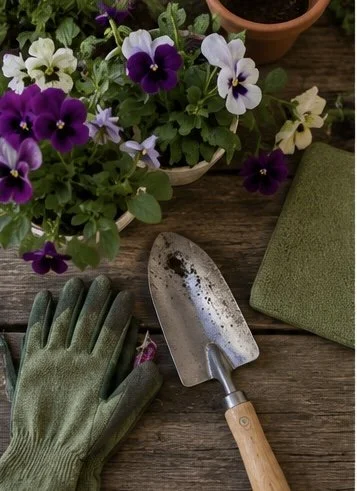
Spring has finally arrived in Calgary, and for many people that means opening the windows, refreshing the house, cleaning out the garage, planting flowers, and getting the yard ready for summer.
While these activities can feel rewarding, they're also one of the most common reasons people develop back pain, neck tension, sore knees, and aching shoulders this time of year.
The good news? You don't need to avoid gardening or spring cleaning. With a few simple strategies, you can protect your body, reduce soreness, and continue enjoying the activities you love.
Why Spring Activities Leave You So Sore
After months of winter, many of us jump headfirst into hours of gardening, lifting, raking, digging, hauling soil, washing windows, or deep cleaning the house.
The challenge isn’t that these activities are bad for your body. It’s that they often ask your muscles and joints to do more than they’ve been doing for the past several months.
Gardening and spring cleaning involve movements such as:
Bending forward repeatedly
Squatting and kneeling
Reaching overhead
Twisting while carrying objects
Gripping tools for extended periods
Lifting and moving heavy items
When these movements are performed for several hours at a time, it’s common for muscles and joints to become tired and irritated.
Why You Feel Fine During the Activity But Hurt the Next Day

Take care of your body- A few gentle stretches after gardening can help reduce tension and prevent soreness.
Have you ever spent an entire afternoon gardening only to wake up the next morning wondering what happened to your back?
You’re not alone.
During activity, your body is warm, moving, and producing adrenaline. This can make you feel stronger and more capable than you actually are in that moment.
As your body cools down and recovers, muscle fatigue and minor tissue irritation become more noticeable. The next day you may experience:
Low back stiffness
Aching shoulders
Sore knees
Tight hips
Tender forearms and wrists
This delayed soreness is common and doesn’t necessarily mean you’ve injured yourself. Often, it’s simply your body’s way of responding to a level of activity it hasn’t experienced in a while.
Don’t Let a Little Soreness Scare You Away

Gardening challenges strength, balance, mobility, and coordination while supporting both physical and mental well-being.
If you’ve ever spent a Saturday planting flowers or tackling a long-overdue cleaning project only to wake up sore the next day, you might be tempted to think, “Maybe I shouldn’t be doing this anymore.”
But in most cases, the opposite is true.
Gardening and spring cleaning are valuable forms of physical activity, and movement is one of the best things you can do for your long-term health. While it’s normal to feel some muscle soreness when your body does more than it’s used to, that doesn’t mean the activity was harmful.
In fact, gardening provides many of the same benefits as traditional exercise. Digging, lifting, carrying, squatting, reaching, and walking challenge your muscles, bones, balance, and coordination. These movements help maintain strength, mobility, and independence as we age. Spending time outdoors and around plants can also help reduce stress, improve mood, and support overall well-being. Read more
Spring cleaning offers benefits beyond a tidy home. The physical movement involved helps keep your body active, while organizing and decluttering can create a sense of accomplishment, reduce stress, and improve focus. Many people find that cleaning and refreshing their space leaves them feeling energized and motivated.
The goal isn’t to avoid these activities, it’s to approach them the same way you would any other workout. Pace yourself, change positions frequently, take breaks, and gradually build up your tolerance if you’ve been less active during the winter months.
A little muscle fatigue after a day of gardening or cleaning is often a sign that you’ve challenged your body. Sharp pain, lingering joint pain, or soreness that lasts for days, however, may be a sign that your body needs better movement strategies, more recovery time, or additional support.
Think of It This Way
You wouldn’t stop walking because your legs felt tired after a hike.
You wouldn’t stop going to the gym because a workout challenged muscles you hadn’t used in a while.
Gardening and spring cleaning are no different.
They’re meaningful forms of movement that help keep you strong, mobile, and engaged in daily life. The key isn’t avoiding them, it’s learning how to do them in a way that works with your body instead of against it.
The Most Common Areas of Springtime Pain
Low Back Pain
Repeated bending, lifting soil bags, carrying planters, and pulling weeds can place significant stress on the lower back, especially when performed for long periods without breaks.
Neck and Shoulder Tension
Looking downward while planting, pruning, scrubbing, or weeding can create tension through the neck and shoulders. Reaching overhead to clean windows or trim shrubs can add further strain.
Knee Pain
Gardening often requires prolonged kneeling, crouching, and squatting. These positions can irritate sensitive knees and surrounding muscles.
Wrist and Forearm Strain
Gripping tools, pruning shears, rakes, and cleaning supplies repeatedly can fatigue the muscles and tendons of the hands, wrists, and forearms.

Spring cleaning can involve repetitive reaching, lifting, and twisting movements that may contribute to muscle soreness if your body isn’t prepared for them.
8 Ways to Prevent Gardening and Spring Cleaning Injuries
1. Start Smaller Than You Think You Need To
It’s tempting to tackle everything in one weekend, but your body will thank you for spreading projects out over several days or weeks.
2. Change Positions Frequently
Your body tolerates movement much better than prolonged positions. Alternate between standing, walking, kneeling, and squatting whenever possible.
3. Avoid Twisting While Lifting
When moving soil bags, planters, or storage bins, turn your entire body instead of twisting through your spine.
4. Take Regular Breaks
A two-minute walk, stretch, or change of activity every 30–45 minutes can make a significant difference in how you feel later.
5. Use Supportive Equipment
Consider kneeling pads, garden stools, long-handled tools, and ergonomic equipment to reduce unnecessary strain.
6. Stay Hydrated
Muscles work better when they’re properly hydrated. Don’t forget to drink water, especially on warmer spring days.
7. Warm Up First
A short walk around the block or a few minutes of gentle movement before starting can help prepare your muscles and joints.
8. Listen to Your Body
Mild fatigue is normal. Sharp pain is not. If something hurts, change positions, take a break, or stop the activity altogether.
Simple Recovery Tips After Gardening or Cleaning
When you’re finished for the day, a few minutes of recovery can go a long way.
Try:
A short walk
Gentle back extensions
Chest-opening stretches
Shoulder rolls
Hip flexor stretches
Gentle neck stretches
The goal isn’t to force flexibility; it’s simply to help your body unwind after several hours of activity.
How Massage Therapy Can Help

Even when you’re careful, gardening and spring cleaning can leave your muscles feeling tight, tired, and overworked.
A personalized therapeutic massage can help reduce muscle tension, improve mobility, and ease the aches that often follow a busy weekend of yard work or household projects. Treatment can be tailored to the areas that need the most attention, whether that’s your low back after hauling soil, your shoulders after cleaning, or your knees and hips after hours of planting.
For stubborn areas of tension, cupping therapy may also be incorporated into your treatment. Cupping can help improve circulation, reduce muscle tightness, and address areas that feel particularly restricted after repetitive activities like raking, digging, or lifting.
Many clients also enjoy the addition ofhot stone massage, which I include in treatments whenever appropriate. The gentle warmth helps relax tight muscles, allowing deeper work to be performed comfortably while encouraging overall relaxation and recovery.
Massage therapy can help:
Reduce muscle tension
Improve mobility
Relieve neck and shoulder discomfort
Ease low back tightness
Reduce post-activity soreness
Support recovery after physically demanding weekends
Whether you’ve spent the weekend planting flowers, hauling mulch, cleaning the garage, or preparing your yard for summer, massage therapy can help your body recover and move more comfortably.
Ready to Feel Better?
If Spring projects have left you feeling stiff, sore, or achy, therapeutic massage can help reduce muscle tension, improve mobility, and support recovery after gardening and yard work.
Whether you’re dealing with low back tension from gardening, sore shoulders from cleaning, or general stiffness after a busy weekend, treatment can help you move more comfortably and get back to doing what matters most.
💜 I welcome all bodies, all backgrounds, and all identities. This is a space where you are supported and valued—without judgment.
Frequently Asked Questions
-
Yes. Gardening involves lifting, carrying, walking, squatting, kneeling, reaching, and balancing, making it a great form of functional physical activity.
-
Repeated bending, lifting, and prolonged positions can fatigue muscles and irritate joints, especially if your body isn’t accustomed to those movements.
-
Mild muscle soreness is common after a physically demanding day. Severe pain or symptoms that persist for several days should be assessed by a healthcare professional.
-
Massage therapy can help reduce muscle tension, improve mobility, and support recovery after gardening, yard work, and other physically demanding activities.
