
How to Get Back Into Activity After a Sedentary Winter - A smarter way to ease into walking, jogging, hiking, and spring movement

Getting back into movement after winter works best when you start gradually and build consistency.
After a long winter of less movement, your body doesn’t just “pick up where it left off.”
Even if you feel motivated and ready to go, your muscles, joints, and nervous system may not be.
This is one of the most common things I see in the spring:
People jump back into activity too quickly, and within a few weeks, they’re dealing with tight hips, sore knees, or nagging pain that wasn’t there before.
The good news?
You don’t need to hold yourself back; you just need to ease in intentionally.
Why Your Body Feels Stiff After a Sedentary Winter
How Winter Habits Reduce Movement and Mobility:
Less walking
Less variability in movement
More sitting
Less time outdoors
Over time, your body adapts to that.
How Your Body Adapts to Less Movement Over Time:
Tight hips and hip flexors
Reduced ankle mobility
Stiffer thoracic spine (upper back)
Decreased overall tissue tolerance
Why Jumping Back Into Activity Feels Hard on Your Body:
minimal movement →long walks, runs, or hikes
Your body goes:
“Whoa. What are we doing?”
If your body already tends to feel tight or slow to relax, you might also relate to "Why Your Body Won’t Relax (Even When You Try)." This can influence how your body responds to new activity.
The #1 Mistake People Make When Getting Back Into Activity in Spring
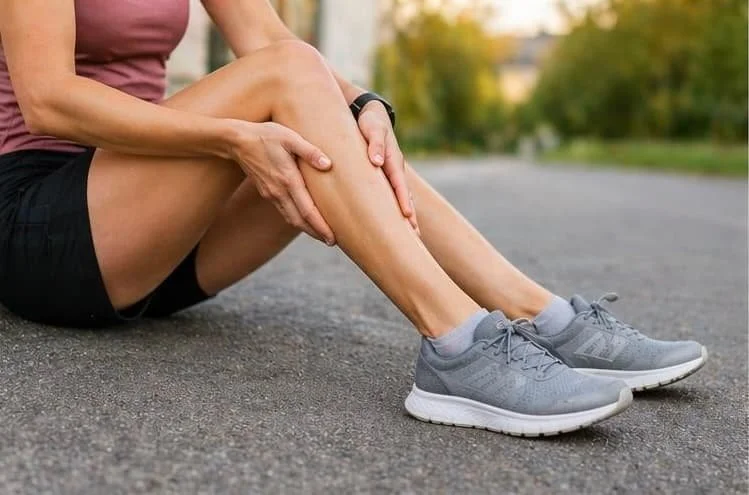
Jumping back into activity too quickly after a sedentary winter often leads to soreness, tightness, and injury.
What “Doing Too Much, Too Soon” Actually Looks Like:
Going from 0 → 5km jog
Long weekend hikes right away
Yard work for hours in one day
Trying to “make up” for lost time
Why This Leads to Pain, Tightness, and Injury:
Muscle strain
Joint irritation
Flare-ups of old injuries
Lingering tightness
If you’re not sure where to start, I’ve created a simple, step-by-step routine you can follow on your mat.
Takes 10–15 minutes • No equipment needed
A Smarter Way to Get Back Into Activity After a Sedentary Winter
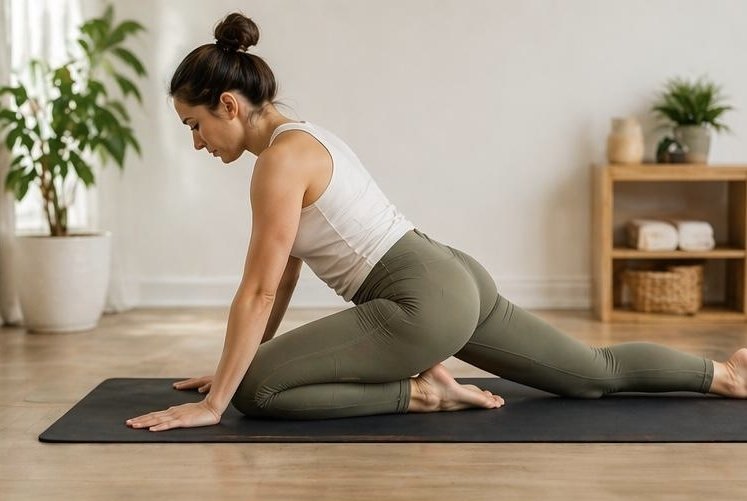
Mobility work helps your body adjust to increased activity and reduces injury risk.
Think of this as rebuilding your baseline, not testing your limits
1. How to Safely Start Walking, Jogging, or Hiking Again
Start Smaller Than You Think:
5km runs → start with walk/run intervals
Long hikes → start with shorter, flatter trails
Yard work → break it into shorter sessions
👉 Your body responds better to consistency than intensity.
2. Use the 50–70% Rule to Avoid Injury When Returning to Exercise
How to Ease Back Into Exercise Without Overloading Your Body:
For the first 2–3 weeks:
👉 Only do about 50–70% of what you feel capable of
This helps:
reduce soreness
prevent overload
build momentum
3. Pay Attention to How Your Body Responds (Not Just Performance or Distance)
Signs You’re Doing Too Much Too Soon:
soreness
fatigue
tightening
Your body will give you feedback before injury happens if you listen early.
If you’re noticing ongoing tightness or fatigue, it may not just be physical; your nervous system plays a role too, which is something I explore in Signs Your Nervous System Is Stuck in Fight-or-Flight.
4. Muscle Groups Most Affected by Inactivity
These are the areas I treat most this time of year:
Hips & hip flexors
Glutes (especially underactive)
Calves & Achilles
Lower back
Upper back & shoulders
Adding simple mobility or activation work, even 5–10 minutes, makes a huge difference. These are exactly the areas I guide clients through in a simple at-home routine you can follow step-by-step.
Not sure what to do for each area?
For general guidance on gradually returning to activity, the Mayo Clinic provides a helpful overview on safely reintroducing exercise after a period of inactivity.
5. Don’t Skip Recovery When Getting Back Into Exercise (This Is Where Most People Go Wrong)

Recovery is just as important as activity when rebuilding strength and endurance.
Recovery isn’t just for athletes.
What Recovery Actually Includes:
Rest days
Gentle movement (walking, mobility)
Hydration
Sleep
Bodywork
How Massage Therapy Supports Recovery and Prevents Injury:
reduce muscle tension
improve circulation
support recovery between activity days
prevent small issues from becoming bigger ones
Massage therapy can help through targeted therapeutic massage, deeper work like cupping therapy, or more relaxing options like hot stone massage
What a Balanced Weekly Exercise Routine Looks Like
Sample Weekly Plan to Ease Back Into Walking, Jogging, or Hiking:
Day 1 → Walk / light activity
Day 2 → Rest or gentle mobility
Day 3 → Slightly longer walk or light jog
Day 4 → Rest
Day 5 → Activity
Weekend → One longer session (not extreme)
Consistency Matters More Than Intensity When Returning to Exercise
Signs You’re Progressing the Right Way When Getting Back Into Exercise
How to Tell If Your Body Is Adapting (Not Overloading):
Mild soreness that resolves within 24–48 hours
Feeling stronger or more capable week to week
No sharp, lingering, or worsening pain
Improved mobility and ease of movement
Your body should feel challenged, not overwhelmed.
If pain or tightness isn’t settling, it may not just be physical; your nervous system can play a role in how your body holds tension. I break this down in more detail in Why Your Body Won’t Relax (Even When You Try).
How Massage Therapy Helps You Stay Active and Prevent Injury
When you’re getting back into movement, your body is adapting quickly, and that’s when support matters most.
Benefits of Massage Therapy When Getting Back Into Exercise:
Reducing built-up muscle tension from increased activity
Improving range of motion and mobility
Supporting recovery between activity days
Helping you stay consistent without setbacks or flare-ups
If you’re starting to notice tightness creeping in, addressing it early can make a big difference in how your body handles increased activity, and whether small issues turn into bigger setbacks.
This is exactly where targeted, therapeutic treatment can help your body keep up with the changes you’re asking of it.
Getting Back Into Activity Shouldn’t Feel Like Starting Over
If you’ve started getting back into movement and want to stay consistent without the usual tightness or setbacks, having the right support makes a big difference.
This is exactly what I focus on in treatment, helping your body adapt as you increase activity, so you can move more, recover better, and stay active long-term.
At Wild Roots Massage Therapy in Calgary NW, I work with clients who are getting back into walking, running, hiking, and regular movement after time off.
When your body feels supported, staying active becomes easier.
💜 I welcome all bodies, all backgrounds, and all identities. This is a space where you are supported and valued—without judgment.
You Might Also Find Helpful
Frequently Asked Questions
-
Start gradually over 2–4 weeks, increasing intensity slowly rather than jumping back into your previous level right away.
-
Your muscles and connective tissues lose some conditioning during periods of inactivity, making them more sensitive to load when you restart.
-
Mild soreness is normal, especially in the first 1–2 weeks. Sharp pain or lingering discomfort is a sign to scale back.
-
Progress slowly, include rest days, and pay attention to how your body feels between sessions.
-
Massage can support recovery, reduce tension, and help your body adapt more comfortably as you increase activity.
💜 I welcome all bodies, all backgrounds, and all identities. This is a space where you are supported and valued—without judgment.
